Organization
General Chairs
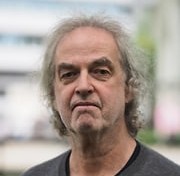 Stefan Voss,
University of Hamburg, Germany
Stefan Voss,
University of Hamburg, Germany
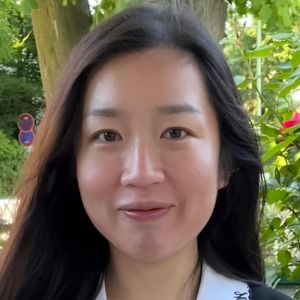 Jingjing Yu,
Pompeu Fabra University, Barcelona
Jingjing Yu,
Pompeu Fabra University, Barcelona
Technical Program Committee Chair
 Neil-Yorke-Smith, Delft University of Technology, The Netherlands
TPC Board
(Chair) Neil Yorke-Smith
 Maximilian Schiffer, University of Hamburg, Germany
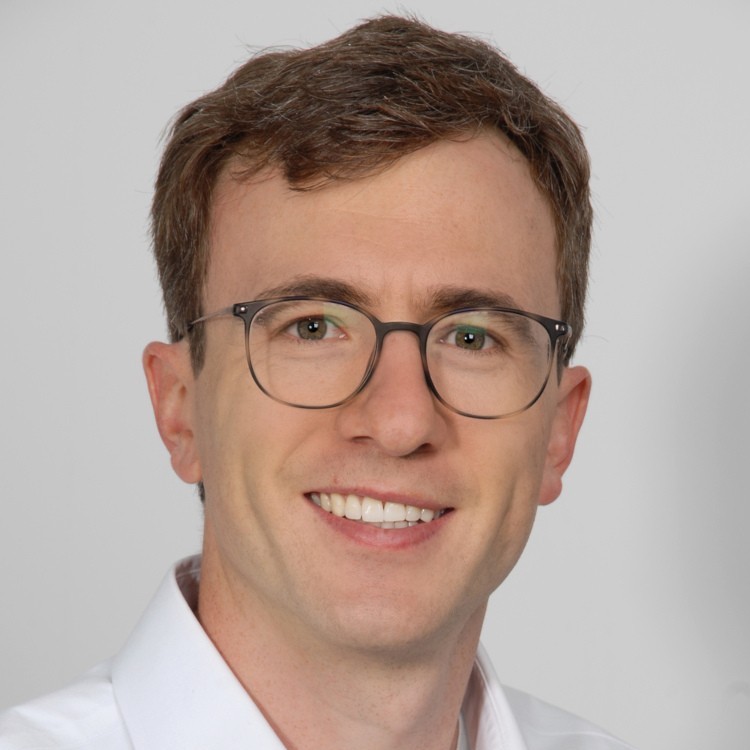 Kevin Tierney, University of Vienna, Austria
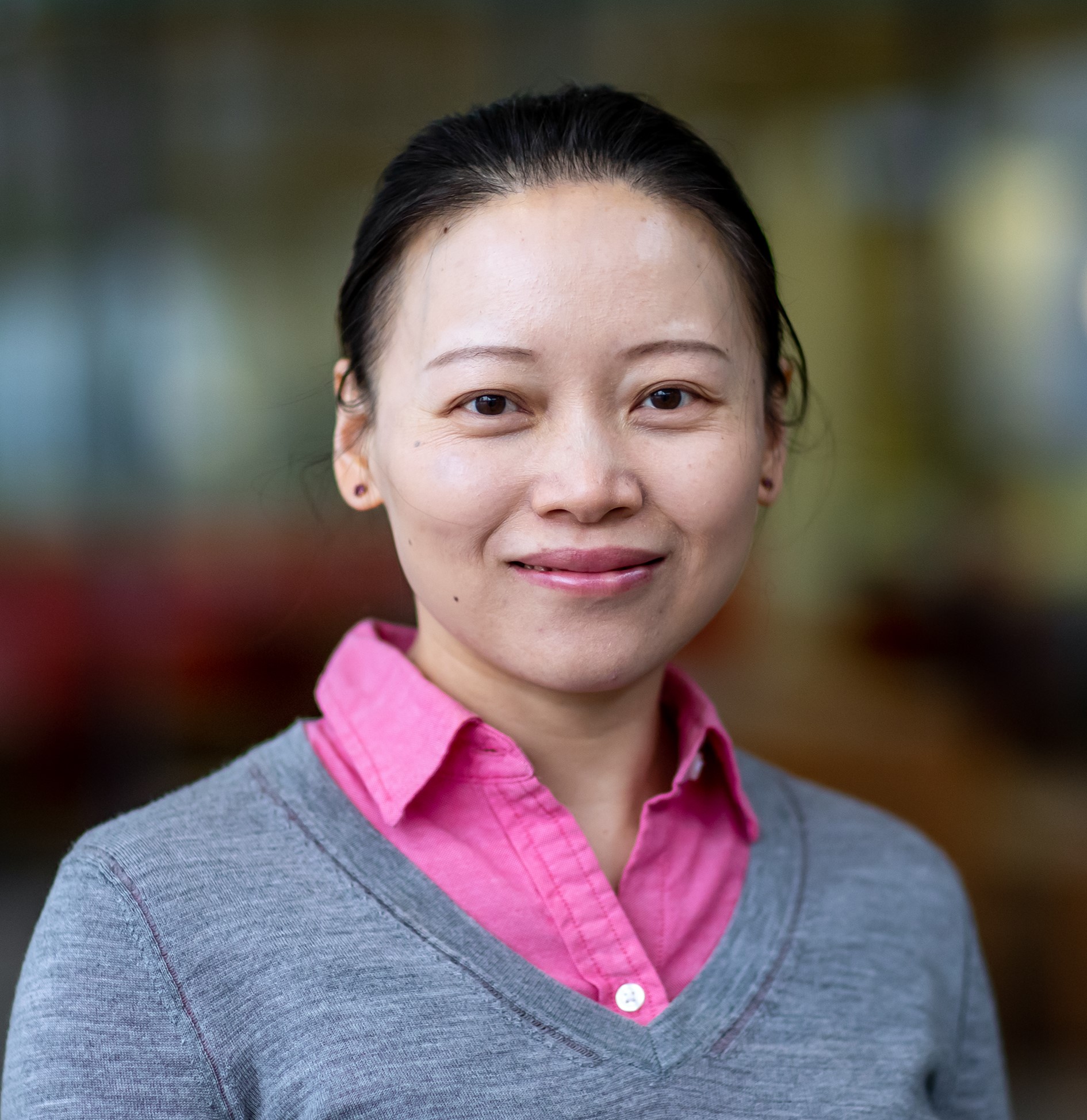 Yingqian Zhang, Eindhoven University of Technology, The Netherlands
Steering Committee
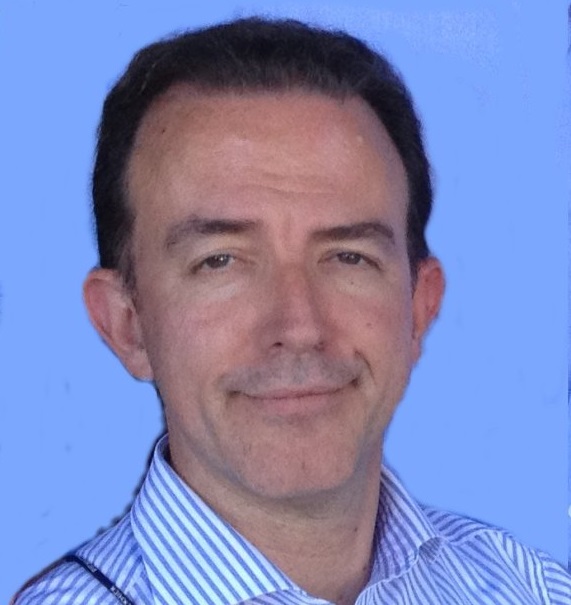 Roberto
Battiti
(University of Trento, Italy - President of the non-profit LION association
Roberto
Battiti
(University of Trento, Italy - President of the non-profit LION association
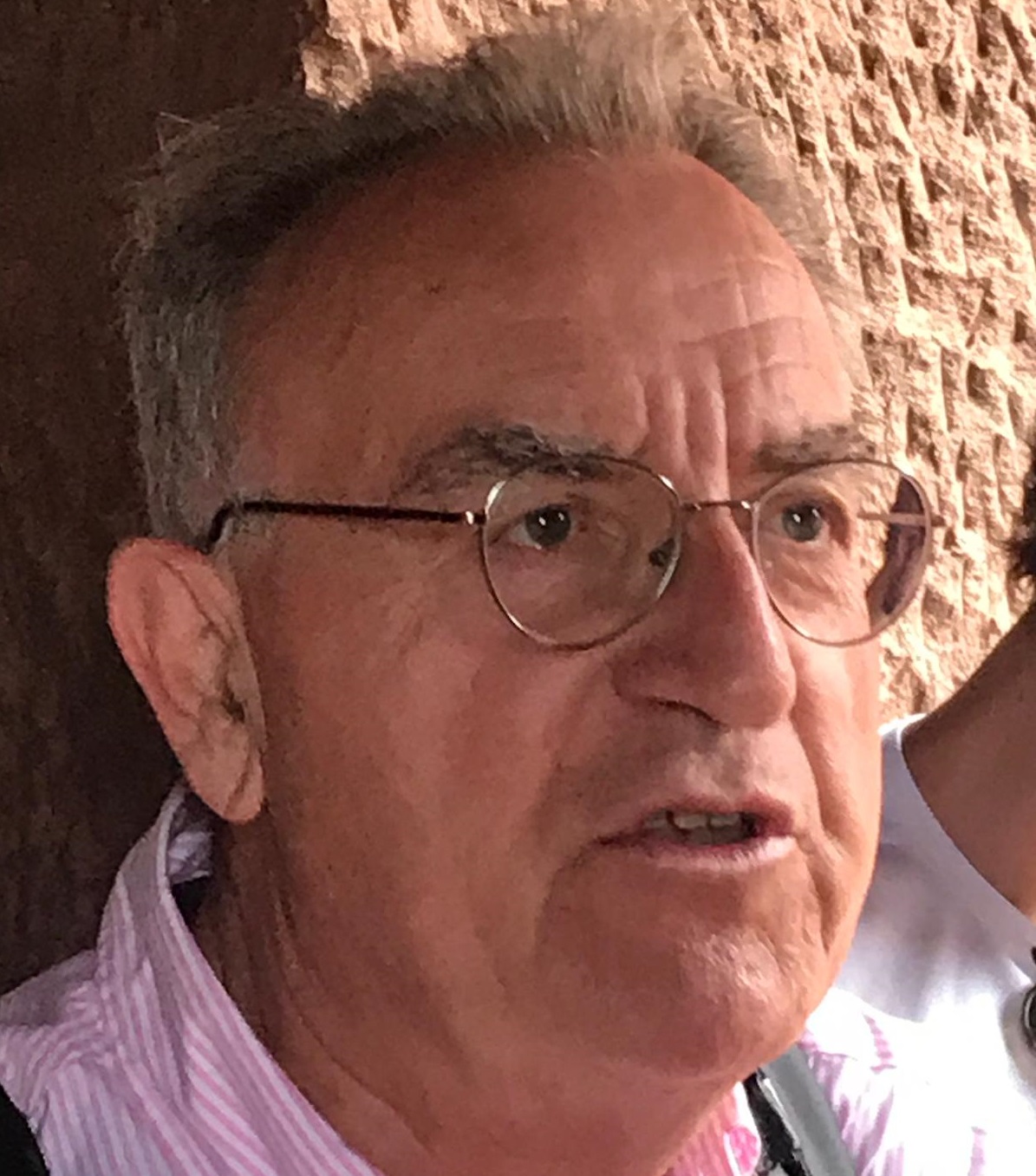 Francesco
Archetti,
University of Milano-Bicocca, Italy
Francesco
Archetti,
University of Milano-Bicocca, Italy
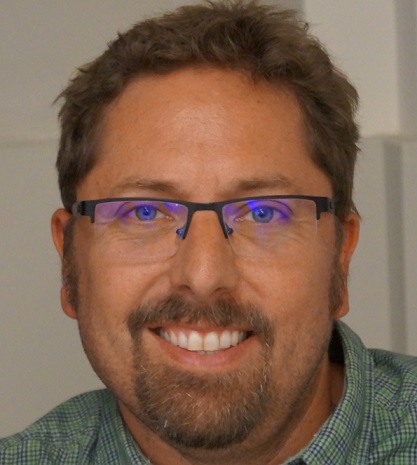 Christian
Blum (Spanish
National Research Council (CSIC), Spain)
Christian
Blum (Spanish
National Research Council (CSIC), Spain)
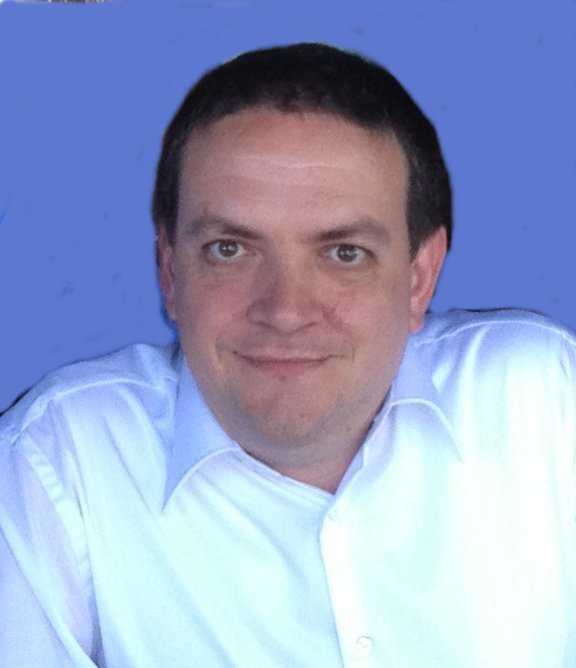 Mauro
Brunato (University
of Trento, Italy)
Mauro
Brunato (University
of Trento, Italy)
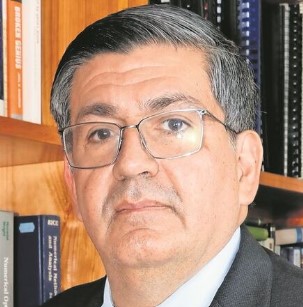 Carlos A.
Coello-Coello
(CINVESTAV-IPN, Mexico)
Carlos A.
Coello-Coello
(CINVESTAV-IPN, Mexico)
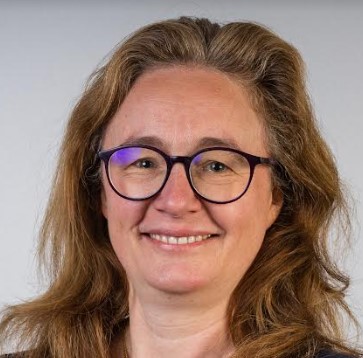 Clarisse
Dhaenens
(University of Lille, France)
Clarisse
Dhaenens
(University of Lille, France)
 Paola Festa
(University of
Napoli, Italy)
Paola Festa
(University of
Napoli, Italy)
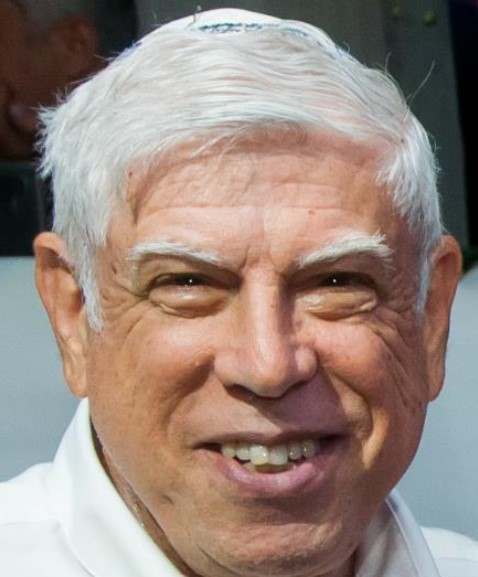 Martin
Charles Golumbic
(University of Haifa, Israel)
Martin
Charles Golumbic
(University of Haifa, Israel)
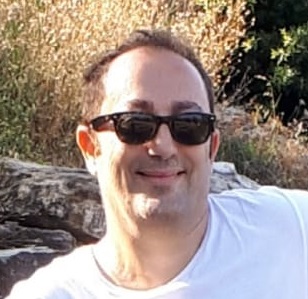 Youssef
Hamadi (Tempero
Tech, France)
Youssef
Hamadi (Tempero
Tech, France)
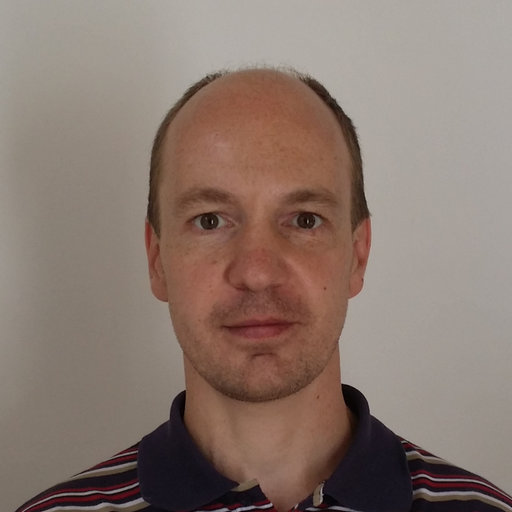 Milan
Hladik, Charles
University, Prague, Czech Republic
Milan
Hladik, Charles
University, Prague, Czech Republic
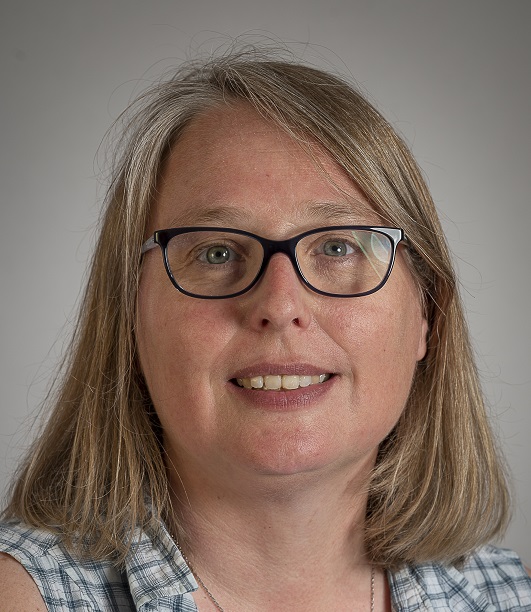 Laetitia
Jourdan
(University of Lille, France)
Laetitia
Jourdan
(University of Lille, France)
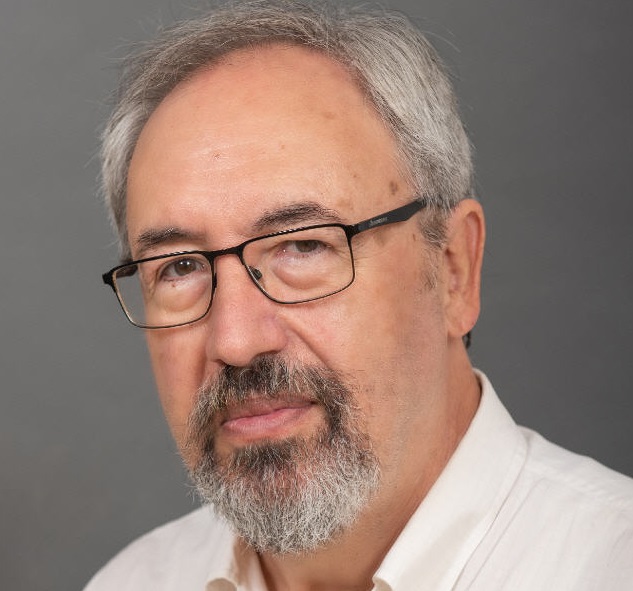 Nikolaos Matsatsinis
(Technical University of Crete, Greece)
Nikolaos Matsatsinis
(Technical University of Crete, Greece)
 Hossein
Moosaei, Jan
Evangelista Purkyně University, Czech Republic
Hossein
Moosaei, Jan
Evangelista Purkyně University, Czech Republic
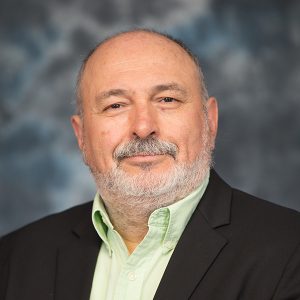 Panos
Pardalos
(University of Florida, USA)
Panos
Pardalos
(University of Florida, USA)
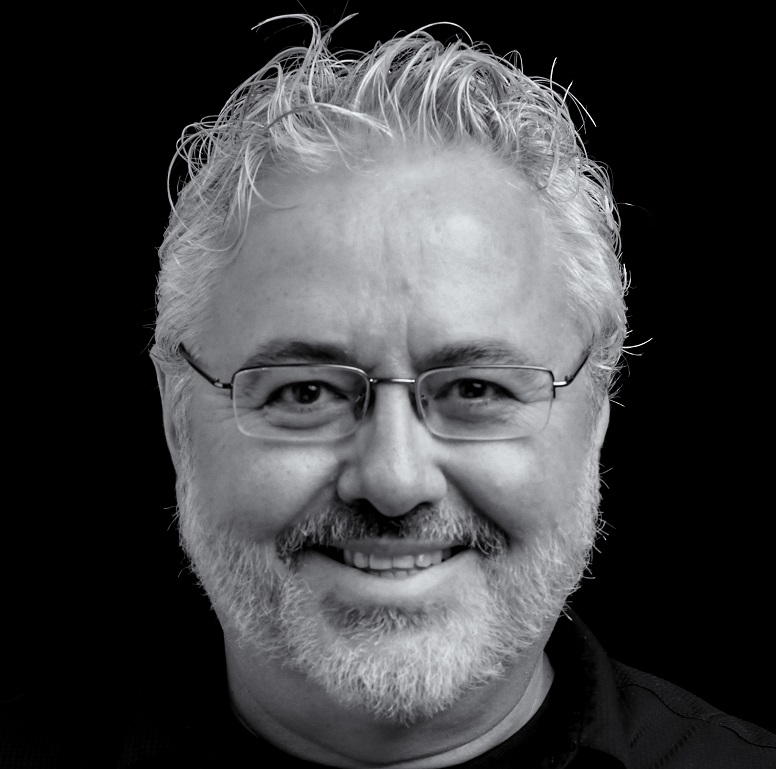 Mauricio
Resende
(University of Washington, USA)
Mauricio
Resende
(University of Washington, USA)
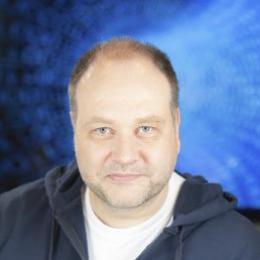 Meinolf
Sellmann
(InsideOpt, USA)
Meinolf
Sellmann
(InsideOpt, USA)
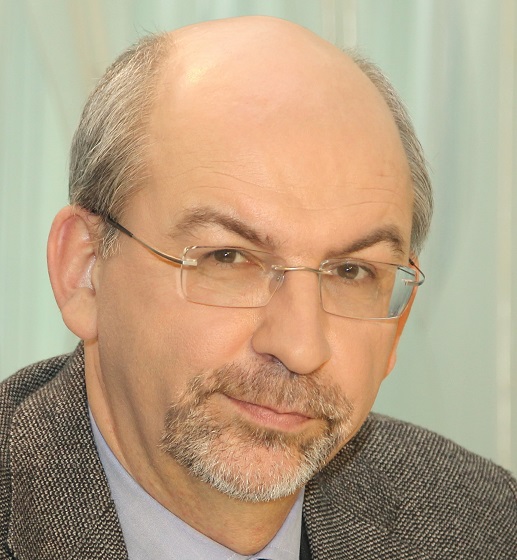 Yaroslav
Sergeyev
(University of Calabria, Italy)
Yaroslav
Sergeyev
(University of Calabria, Italy)
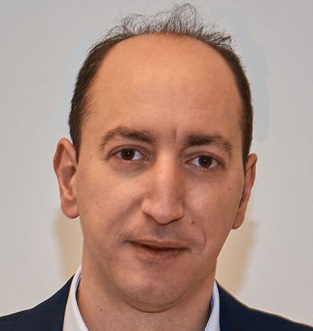 Dimitris
Simos (SBA
Research, Austria)
Dimitris
Simos (SBA
Research, Austria)
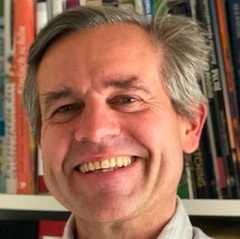 Thomas
Stuetzle
(University of Bruxelles, Belgium)
Thomas
Stuetzle
(University of Bruxelles, Belgium)
Kevin
Tierney (Vienna
University, Austria)
Yingqian Zhang,
Eindhoven University of Technology, The Netherlands.
Technical Program Committee: (work in progress)
- Francesco Archetti (University of Milano Bicocca)
- Roberto Battiti (LION Association)
- Laurens Bliek (Eindhoven University of Technology)
- Maurizio Bruglieri (Politecnico di Milano)
- Mauro Brunato (University of Trento)
- Zaharah A. Bukhsh (Eindhoven University of Technology)
- Sonia Cafieri (Université de Toulouse)
- Antonio Candelieri (University of Milano-Bicocca, Italy)
- Quentin Cappart (Polytechnique Montreal)
- Konstantinos Chatzilygeroudis (University of Patras)
- Renato De Leone (University of Camerino)
- Luca Di Gaspero (University of Udine)
- Carola Doerr (CNRS research director (DR) at Sorbonne University, Paris, France)
- Yingjie Fan (Leiden University)
- Paola Festa (University of Naples Federico II)
- Amir H. Gandomi (University of Technology Sydney, Australia)
- Laura Genga (Eindhoven University of Technology)
- Jerome Geyer-Klingeberg (Universität Augsburg)
- Bissan Ghaddar (Western University, Canada)
- Paolo Giorgini (University of Trento)
- Pontus Giselsson (Lund University)
- Isel Grau (Eindhoven University of Technology)
- Vladimir Grishagin (Nizhny Novgorod State University)
- Francesca Guerriero (University of Calabria)
- David Hartman (Charles University)
- Milan Hladík (Charles University, Prague)
- Laetitia Jourdan (University of Lille)
- Serdar Kadıoğlu (Brown University)
- Marie-Eleonore Kessaci (University of Lille)
- Michael Khachay (Russian Academy of Sciences)
- Elias Khalil (University of Toronto)
- Ahmed Kheiri (Lancaster University)
- Yury Kochetov (Novosibirsk State University)
- Ilias Kotsireas (Wilfrid Laurier University)
- Jan Kronqvist (KTH Royal Institute of Technology)
- Tomáš Kroupa (Czech Technical University in Prague)
- Dmitri Kvasov (University of Calabria)
- Xie Lin (University of Twente)
- Andrea Lodi (Cornell Tech, the Jacobs Technion-Cornell Institute, and Cornell Engineering, USA)
- Giusy Macrina (University of Calabria)
- Jayanta Mandi (KU Leuven)
- Vittorio Maniezzo (University of Bologna, Italy)
- Silvano Martello (University of Bologna, Italy)
- Laurent Moalic (Université de Haute-Alsace)
- Roberto Montemanni (University of Modena and Reggio Emilia0)
- Hossein Moosaei (Charles University-University of Bojnord)
- Matsatsinis Nikolaos (Technical University of Crete)
- Diego Oliva (Universidad de Guadalajara)
- Panos M Pardalos (University of Florida)
- Jinkyoo Park (KAIST, South Korea)
- Konstantinos Parsopoulos (University of Ioannina)
- Danilo Pau (STMicroelectronics Srl)
- Mario Pavone (University of Catania, Italy)
- Ornella Pisacane (Università Politecnica delle Marche)
- Vincenzo Piuri (University of Milan)
- Carlo Puliafito (University of PIsa, Italy)
- Michael Römer (Bielefeld University)
- Frédéric Saubion (Université d'Angers)
- Andrea Schaerf (University of Udine)
- Maximilian Schiffer (University of Hamburg)
- Meinolf Sellmann (InsideOpt, USA)
- Liyana Shuib (University of Malaya, Malaysia)
- Marc Sevaux (Université de Bretagne-Sud)
- Thomas Stützle (Université Libre de Bruxelles)
- Kevin Tierney (Vienna University)
- Sicco Verwer (Delft University of Technology)
- Stefan Voss (University of Hamburg)
- Vijaya J, (International Institute of Information Technology Naya Raipur Chhattisgarh, India)
- Michael Vrahatis (University of Patras)
- Om Prakash Vyas (International Institute of Information Technology Naya Raipur Chhattisgarh,
India)
- Wolfram Wiesemann (Imperial College, United Kingdom)
- Yaoxin Wu (Eindhoven University of Technology)
- Neil Yorke-Smith (Delft University of Technology)
- Jingjing Yu (Pompeu Fabra University, Barcelona)
- Qingfu Zhang (Essex University & City University of Hong Kong)
- Yingqian Zhang (Eindhoven University of Technology, The Netherlands)
Location, travel, accommodation
Barcelona
The LION 21 will be hosted by
Pompeu Fabra University, Barcelona, Spain